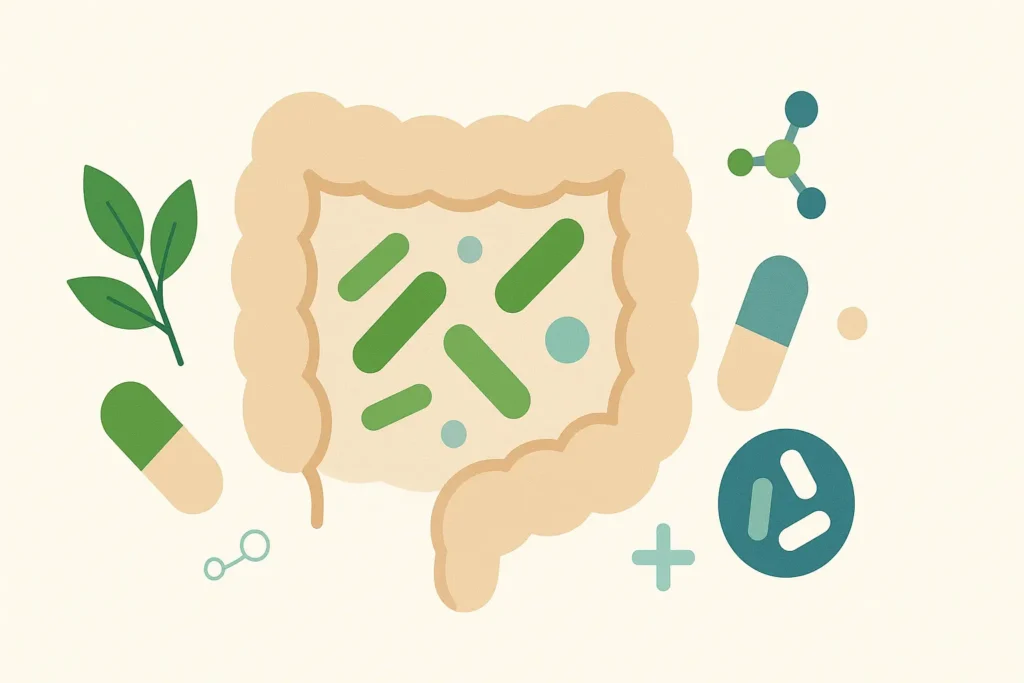
Medical Foods: When and How to Use Them Safely
Managing a health condition can be tough. Nutritional supplements and special diets help a lot. You might have heard of “medical foods” and wondered what they are and how they help.
Medical foods give you essential nutrients your usual diet might not have. It’s important to know when and how to use them safely. This way, you can get their benefits without any harm.
Key Takeaways
- Understanding the role of medical foods in managing health conditions.
- Learning how to safely incorporate nutritional supplements into your diet.
- Recognizing the importance of consulting healthcare professionals.
- Awareness of potential interactions between medical foods and other treatments.
- Guidelines for choosing the right medical foods for your specific needs.
Understanding Medical Foods
Managing certain health conditions means knowing about medical foods. They offer special nutritional support for people with specific health needs.
Definition and Purpose of Medical Foods
Medical foods help manage diseases through diet. They are made for people with certain nutritional needs because of their health. Their main goal is to give the nutrients that regular food might not provide.
How Medical Foods Differ from Dietary Supplements
Medical foods are not like dietary supplements. They are made to handle specific health issues and are used with a doctor’s guidance. They are not just a supplement but a main source of nutrition for those with certain health needs.
Historical Development of Medical Foods
The idea of medical foods has grown over time. It’s thanks to new discoveries in nutrition and the need for targeted diets. At first, they were for metabolic disorders, but now they help with many health problems.
Now, medical foods play a big role in managing health issues. This includes metabolic disorders and problems with the digestive system.
The Science Behind Medical Foods
Medical foods are made with a deep understanding of nutrition and how it helps manage diseases. They are designed to give specific nutrients to people with certain health issues.
Nutritional Composition and Formulations
Medical foods have the right mix of nutrients, vitamins, and minerals for certain health needs. They are made to help people with metabolic, gastrointestinal, or neurological diseases stay healthy.
Targeted Metabolic Processes
These foods target specific body processes. For example, they help people with PKU by giving the right nutrients and less of a certain amino acid.
Evidence-Based Efficacy
Studies show that medical foods work well for many health issues. They improve health outcomes and quality of life. This knowledge helps doctors choose the right foods for their patients.
Medical foods are key in nutrition for people with specific health conditions. They are made with a deep understanding of nutritional needs and backed by science.
Common Types of Medical Foods
Medical foods are a special kind of nutrition for people with health issues. They are made to help manage different health problems with specialized nutrition.
Formulas for Metabolic Disorders
Medical foods for metabolic disorders help with conditions like PKU and other metabolic errors. They are made to limit or add nutrients that the body can’t handle on its own.
Nutritional Solutions for Gastrointestinal Conditions
People with stomach issues, like Crohn’s disease or ulcerative colitis, can benefit from medical foods. These foods provide nutrients in a way that’s easy to digest. They help manage symptoms and keep nutritional balance.
Products for Neurological Disorders
Medical foods for neurological conditions, like Alzheimer’s disease, are also available. They contain nutrients that support brain health.
Specialized Formulations for Other Conditions
Medical foods also help with other health issues, like diabetes and certain cancers. These products are made to support disease management through targeted nutrition.
In summary, medical foods are a wide range of products tailored for various health needs. They provide specialized nutrition that is key in managing different medical conditions.
- Formulas for metabolic disorders help manage conditions like PKU.
- Nutritional solutions for gastrointestinal conditions support patients with Crohn’s disease or ulcerative colitis.
- Products for neurological disorders may support brain health in conditions like Alzheimer’s disease.
- Specialized formulations are available for conditions such as diabetes and certain cancers.
Medical Conditions Managed with Medical Foods
Certain health issues need special nutrition, and medical foods provide it. They are key in managing many health conditions by offering the right nutrients.
Phenylketonuria (PKU) and Other Inborn Errors of Metabolism
Phenylketonuria (PKU) is a genetic disorder that needs careful dieting. Medical foods for PKU are low in phenylalanine, keeping amino acid levels safe. Other metabolic disorders, like maple syrup urine disease and homocystinuria, also use special medical foods to balance metabolism.
Inflammatory Bowel Disease and Malabsorption Syndromes
People with inflammatory bowel disease (IBD), like Crohn’s or ulcerative colitis, find relief in medical foods. They help manage symptoms and fill nutritional gaps. For malabsorption syndromes, like short bowel syndrome, these foods offer vital nutrients not absorbed well by regular food.
Diabetes and Glucose Management
Medical foods help manage diabetes and glucose issues. They regulate blood sugar and offer balanced nutrition, aiding in diabetes care.
Neurological Conditions
Medical foods support those with neurological issues, like Alzheimer’s or dementia. They focus on nutrients that boost brain health and cognitive function.
Understanding how medical foods help manage these conditions can guide your treatment choices. It helps in making informed decisions about your nutrition.
FDA Regulations and Oversight of Medical Foods
Medical foods have their own set of rules, different from regular foods and medicines. The FDA makes sure these foods are safe and work well.
Legal Definition and Requirements
For a food to be called a medical food, it must help manage a certain health issue. It needs a doctor’s watch. The FDA checks if it’s safe and gives nutritional benefits.
Labeling Requirements
Medical food labels must list what’s in the food, how to use it, and any warnings. They must also say it’s for diet management under a doctor’s care.
Differences from Drug Regulations
Medical foods don’t need FDA approval before they hit the market. But, they must follow FDA rules on how they’re made, labeled, and what they claim. This shows medical foods and drugs serve different needs.
| Regulatory Aspect | Medical Foods | Pharmaceutical Drugs |
|---|---|---|
| Pre-market Approval | Not required | Required |
| Labeling Requirements | Detailed nutritional and usage information | Dosage instructions and side effects |
| Supervision | Under healthcare provider supervision | Prescribed by healthcare providers |
It’s key for doctors and patients to know these rules. Following FDA guidelines helps make sure medical foods are safe and meet patients’ nutritional needs.
How to Access Medical Foods
To get medical foods, you first need a doctor’s prescription. These foods are made for specific health issues and can’t be bought without a doctor’s order.
Prescription Requirements
A doctor must write a prescription for medical foods. This makes sure they are used safely and correctly.
Insurance Coverage and Reimbursement
Insurance coverage for medical foods can change. Some plans might cover certain foods, but others might not. Always check with your insurance company.
Specialty Pharmacies and Suppliers
Medical foods are usually found at specialty pharmacies or suppliers. They can help you choose the right food and how to use it.
Safe Administration of Medical Foods
It’s important to use medical foods correctly for them to work well and keep you safe. These nutritional supplements help manage certain health issues. To get the best results, follow these steps.
Proper Preparation Techniques
First, prepare medical foods right to use them safely. Always check the label and do what it says. Some need mixing with water, while others are ready to go. Use the measuring devices provided for the right amount.
Dosage Considerations
Knowing the right dose is key. Take the amount your doctor or the label says. Don’t take more or less, as it can affect how well it works or cause problems.
Storage Guidelines
Keeping medical foods in the right place is crucial. Store them in a cool, dry spot, away from sunlight and moisture. Some need to be kept in the fridge; check the label for details.
Administration Methods
How you take medical foods can differ. Some are swallowed, while others go through a feeding tube. Use the method suggested to make sure it’s safe and works well.
By following these tips, you can safely use medical foods. This will help manage your health condition better.
Potential Side Effects and Interactions
It’s important to know the side effects and interactions of medical foods. They are made to help with specific nutritional needs. But, they can sometimes cause problems or react with other treatments.
Common Adverse Reactions
Some people might feel sick to their stomach, have diarrhea, or constipation from medical foods. It’s crucial to monitor your body’s response and adjust your intake accordingly. Rarely, allergic reactions can happen. Symptoms include rash, itching, or swelling.
Drug-Medical Food Interactions
Medical foods can affect how well medicines work or increase side effects. For instance, some foods might make blood thinners work too well or change how diabetes medicines work. It’s vital to inform your healthcare provider about all medical foods you’re using.
When to Contact Your Healthcare Provider
If you notice any unusual symptoms or if your condition gets worse, contact your healthcare provider immediately. They can figure out if the medical food is the problem. They can then change your treatment plan if needed. Regular check-ups and talking openly with your healthcare team are important for safely using medical foods.
Monitoring Your Response to Medical Foods
It’s important to watch how your body reacts to medical foods. This helps you and your doctor make better choices for your treatment.
Clinical Parameters to Track
Keeping an eye on certain health signs is key. This includes your weight, blood pressure, and how severe your symptoms are.
Laboratory Testing
Lab tests give us important info on how medical foods affect you. They can show if your condition is changing or if you’re experiencing side effects.
Quality of Life Assessments
Checking how well you’re doing in daily life is also vital. This looks at how medical foods affect your daily activities and overall happiness.
| Monitoring Aspect | Description | Frequency |
|---|---|---|
| Clinical Parameters | Weight, Blood Pressure, Symptom Severity | Weekly/Monthly |
| Laboratory Testing | Blood Tests, Urine Analysis | Quarterly/Half-yearly |
| Quality of Life | Daily Activities, Well-being | Ongoing |
By carefully watching how you react to medical foods, you can make your treatment better. This can lead to better health outcomes for you.
Cost Considerations and Financial Assistance
Understanding the costs of medical foods is key. It’s important to know about financial help available. When looking into medical foods, think about how they work and how much they cost.
Typical Costs of Medical Foods
The price of medical foods changes based on the type, brand, and formula. You might spend $50 to over $500 each month.
| Type of Medical Food | Average Monthly Cost |
|---|---|
| Formulas for Metabolic Disorders | $200-$400 |
| Nutritional Solutions for Gastrointestinal Conditions | $150-$300 |
| Products for Neurological Disorders | $250-$500 |
Insurance Navigation
Knowing what your insurance covers is crucial. Many plans help with medical food costs, but how much varies.
Tips for Navigating Insurance:
- Review your policy documents carefully.
- Contact your insurance provider directly to inquire about coverage.
- Keep detailed records of your communications.
Patient Assistance Programs
Many makers of medical foods have programs to help with costs. These can save you a lot of money.
Advocacy Resources
Advocacy groups can help a lot with financial issues. They offer support and advice on finding affordable treatments.
By understanding costs and looking into financial help, you can make smart choices. This way, you can include medical foods in your treatment plan.
Conclusion: Integrating Medical Foods into Your Treatment Plan
Medical foods are key in managing health issues. They are especially helpful when used with the advice of doctors. These foods can greatly benefit your treatment plan.
It’s important to know what’s in medical foods, their side effects, and how they might affect other medicines. This knowledge helps you get the most benefits and avoid problems.
Working with your doctor and following their advice is crucial. This way, you can safely add medical foods to your daily routine. It can lead to better health and a better life.
Keep an eye on how medical foods work for you. If needed, change your treatment plan. With the right help, medical foods can help you reach your health goals.
FAQ
What are medical foods, and how do they differ from nutritional supplements?
Medical foods are special nutritional products for managing health conditions. They are made to target specific health needs. Unlike supplements, medical foods are prescribed by doctors for disease management.
Are medical foods regulated by the FDA?
Yes, the FDA oversees medical foods. They ensure these products are safe and follow labeling rules. But, they don’t need FDA approval like drugs do.
How do I know if a medical food is right for my condition?
Talk to your doctor to see if a medical food fits your needs. They’ll check your health and condition to suggest the right one.
Can I purchase medical foods over-the-counter?
Some medical foods are sold without a prescription. But, many need a doctor’s order. Insurance coverage might also depend on a prescription.
What should I consider when administering medical foods?
Follow the product’s instructions for preparation and dosage. Also, keep them stored and given as directed by your doctor.
Can medical foods interact with my medications?
Yes, medical foods can affect your medications. Always tell your doctor about all your medicines and supplements to avoid bad reactions.
How do I monitor my response to a medical food?
Keep track of your health by monitoring key signs and getting lab tests as advised. Also, check how well you’re feeling.
Are there financial assistance programs available for medical foods?
Yes, there are programs to help with medical food costs. Your doctor or a patient advocate can guide you to these resources.
How do medical foods fit into my overall treatment plan?
Medical foods are key in your treatment plan, offering specific nutrition for your condition. Always use them under your doctor’s guidance to ensure they work well with your care.